

Guardian angels are spiritual protectors in Catholic teaching, not invisible problem-solvers who guarantee a painless life. The Catholic Church commemorates the Holy Guardian Angels on October 2. The Catechism of the Catholic Church describes human life as surrounded by angelic care and intercession, while Scripture presents angels as servants and messengers of God. This guide explains what that belief means, what it does not promise, and how to apply it responsibly.
Are Guardian Angels Human Spirits?
In historic Christian teaching, angels and human beings are different kinds of creatures. Angels are described as spiritual and non-corporeal; humans are embodied persons. A loved one who dies does not become a guardian angel. People may still use “my angel” as an affectionate way to remember someone, but that is different from the Church’s teaching about angels.
This distinction can be comforting because it does not diminish grief or the bond with someone who has died. It simply keeps two beliefs separate: Christian hope concerning the dead, and the doctrine of angels as created spiritual beings. Neither belief gives a person permission to claim certain messages from the deceased or to make major decisions without evidence.
What Do Guardian Angels Do?
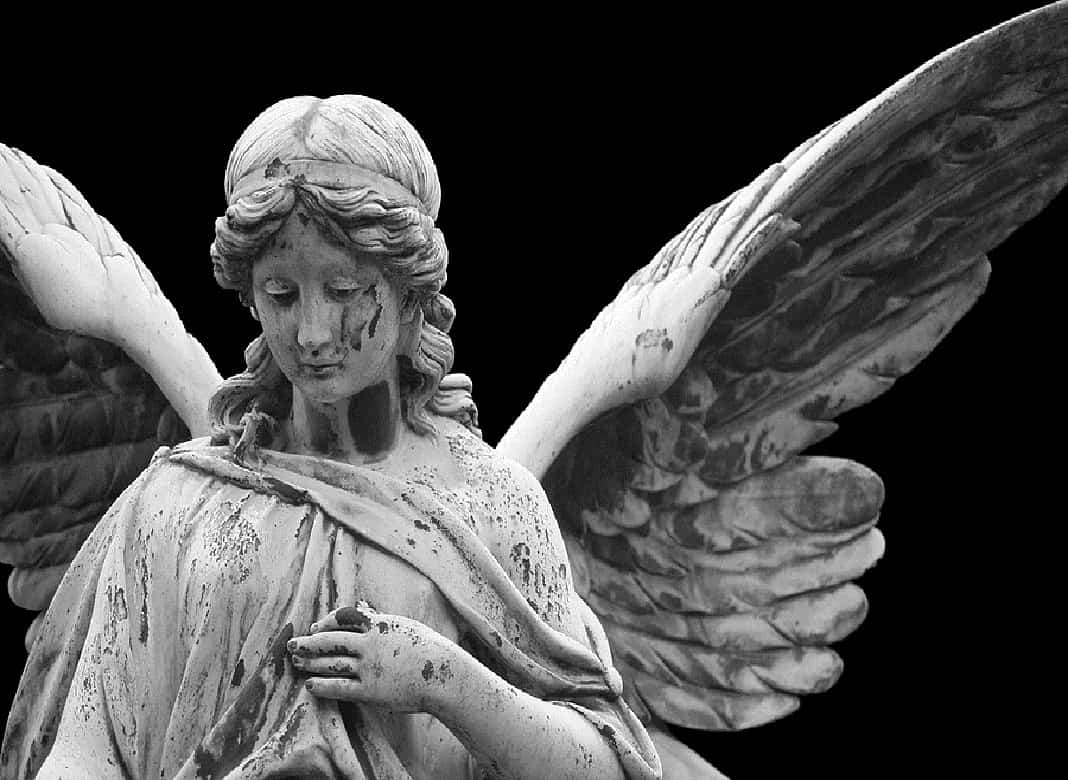
The Catechism calls angels personal, immortal spiritual creatures with intelligence and will. Their name describes their office as messengers rather than a physical appearance. Biblical passages use varied imagery for different heavenly beings, so paintings of wings, halos, or human forms should be read as artistic symbols, not reliable portraits. The central idea is service to God, not a particular number of wings.
Within Catholic tradition, guardian angels are associated with protection, guidance, prayer, and encouragement toward what is good. Matthew 18:10 is commonly connected with this belief, and Hebrews 1:14 describes angels as ministering spirits. The Church’s October 2 Memorial of the Holy Guardian Angels also reflects this tradition.
Does Guardian Angel Protection Prevent Every Harm?
No Christian teaching promises that devotion to a guardian angel will prevent every accident, illness, loss, or wrong decision. Protection can be understood as spiritual care and help toward faithful choices; it is not a guarantee of a happy outcome. Wear a seat belt, follow medical advice, check financial and legal facts, and contact emergency services when needed. Prayer can accompany those actions rather than replace them.
Do You Have to Decode Signs?
No. A coincidence, number, feather, dream, or sudden thought does not prove that an angel sent a message. If an experience feels meaningful, write down what you actually observed, list ordinary explanations, and ask whether the proposed meaning encourages honesty, compassion, and a safe action. Our guide to guardian angel signs and coincidence offers a three-step check. Avoid treating fear, urgency, or repetition as automatic proof.
You may pray for wisdom about work, relationships, or a difficult choice. The response still requires human judgment. Compare options, seek qualified advice, and choose a reversible next step when possible. A spiritual impression should never be used to control another person, promise romance, predict money, diagnose illness, or override consent.
A Simple Guardian Angel Practice
- Pause. Take one quiet minute and notice the concern you are carrying.
- Pray simply. Ask God for wisdom, courage, and protection as your tradition permits.
- Name the next good action. Choose something concrete such as apologizing, checking a fact, resting, or asking for help.
- Review the result. Look for greater honesty and care rather than a dramatic sign.
A Worked Example
Suppose you are considering a job offer and repeatedly notice a symbol you associate with protection. You can receive the moment as encouragement without calling it a verdict. Check the salary, duties, commute, contract, and effect on your household. Pray for clarity, speak with someone experienced, and decide from the full evidence. This keeps faith connected to responsibility. You do not need hours of meditation, a paid process, or a supernatural sign to practice thoughtful devotion.