

Crystals do not diagnose, treat, cure, or reliably reduce acute or chronic pain. Pain linked to an injury, autoimmune condition, cancer, arthritis, or another illness deserves assessment and treatment from a qualified health-care professional. A crystal can be used only as a personal symbol or attention cue during a brief grounding practice.
Pain varies widely in cause, severity, and duration, so there is no “right crystal” to match with a disease. Effective care depends on the condition and may involve medical treatment, physical therapy, psychological support, movement, medication, or other evidence-based options recommended for that person.
A calming ritual may help someone pause, notice tension, or prepare questions for a clinician, but a stone does not strengthen the immune system, cure disease, or guarantee sleep. The National Center for Complementary and Integrative Health recommends discussing complementary approaches with a health-care provider and not using an unproven practice to postpone care.
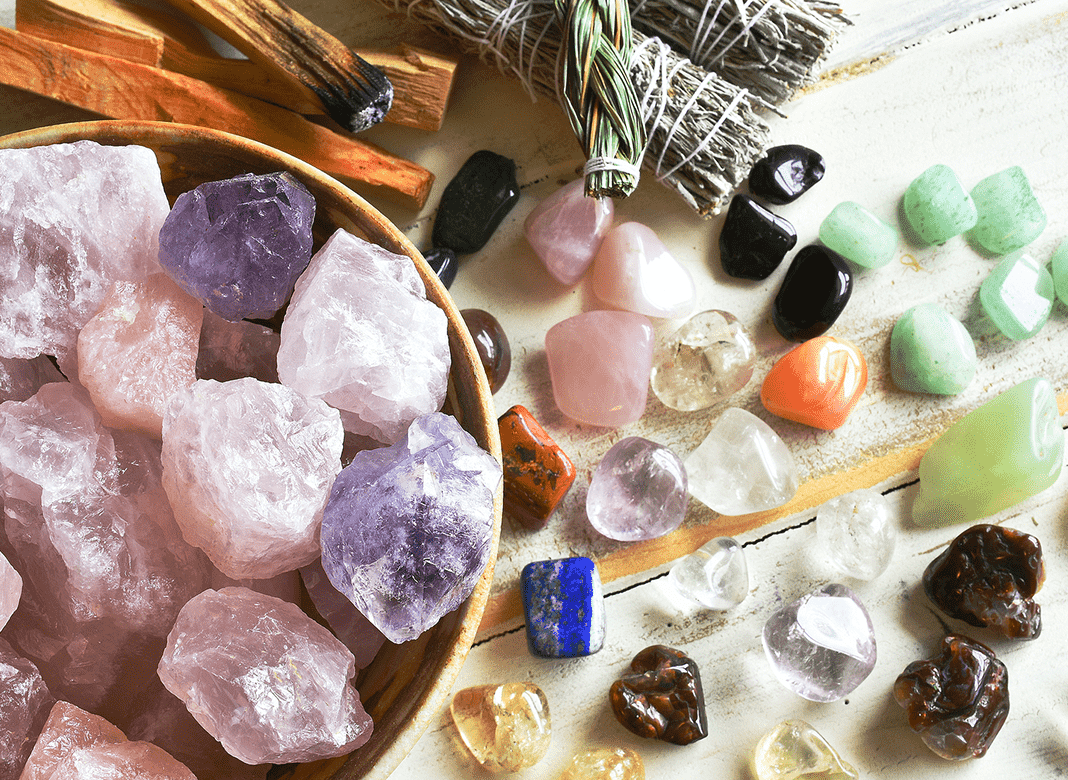
The three stones below can serve as visual or tactile prompts in a grounding routine. They are presented for symbolism and reflection, not pain relief or medical treatment.
Amethyst
Amethyst is often associated with calm and reflection in modern crystal practices. If you enjoy it, place it where you can see it while taking several slow breaths and noting what your body needs. Do not tape a stone to an injured or painful area, broken skin, a burn, or any place where pressure could worsen symptoms. Amethyst has not been shown to treat migraine, arthritis, metabolic conditions, insomnia, or injury pain.
Rose Quartz
Rose quartz is commonly used as a symbol of gentleness or self-compassion. You might hold it while deciding on one practical action, such as resting safely, following a treatment plan, or contacting your clinician. It does not have established anti-inflammatory effects and does not treat gout, burns, eczema, kidney problems, fluid retention, or pain. Keep stones away from open wounds and damaged skin.
Hematite
Hematite can be used as a weighty focus object during a short sensory check-in: notice its color, temperature, texture, and shape, then return attention to your breathing. Its iron content does not regulate nerve-cell charge or blood flow, and the stone does not treat headache, anemia, high blood pressure, stress, or pain. Do not place a hard stone under a pillow where it could create pressure or disrupt sleep.
A Five-Minute Grounding Ritual That Does Not Replace Care
Choose one stone only if it feels comfortable to hold. Sit in a supported position, notice five visual details, take five unforced breaths, and rate the pain from 0 to 10 without judging yourself. Write down when it began, what makes it better or worse, and any other symptoms. Use that note when speaking with a health-care professional. Stop the ritual if holding the stone or remaining still increases discomfort.
Spiritual reflection can be part of the routine if it is meaningful to you, but it cannot reveal the cause of pain or replace examination and treatment. You may use the Guardian Angel reflection as optional spiritual content, separate from medical decisions.
Seek urgent help for severe or sudden pain or when pain comes with chest pressure, trouble breathing, fainting, sudden weakness, confusion, heavy bleeding, a serious burn, or a major injury. Call local emergency services when there may be immediate danger. MedlinePlus provides additional guidance on choosing emergency, urgent, or routine care.