

Grief after the loss of a loved one can affect sleep, appetite, concentration, energy, and daily routines. There is no single timetable or fixed sequence of stages that everyone must follow. Crystals have not been shown to treat grief, anxiety, insomnia, or emotional pain. If stones are meaningful to you, use them only as personal symbols in a remembrance practice alongside human support and appropriate professional care.
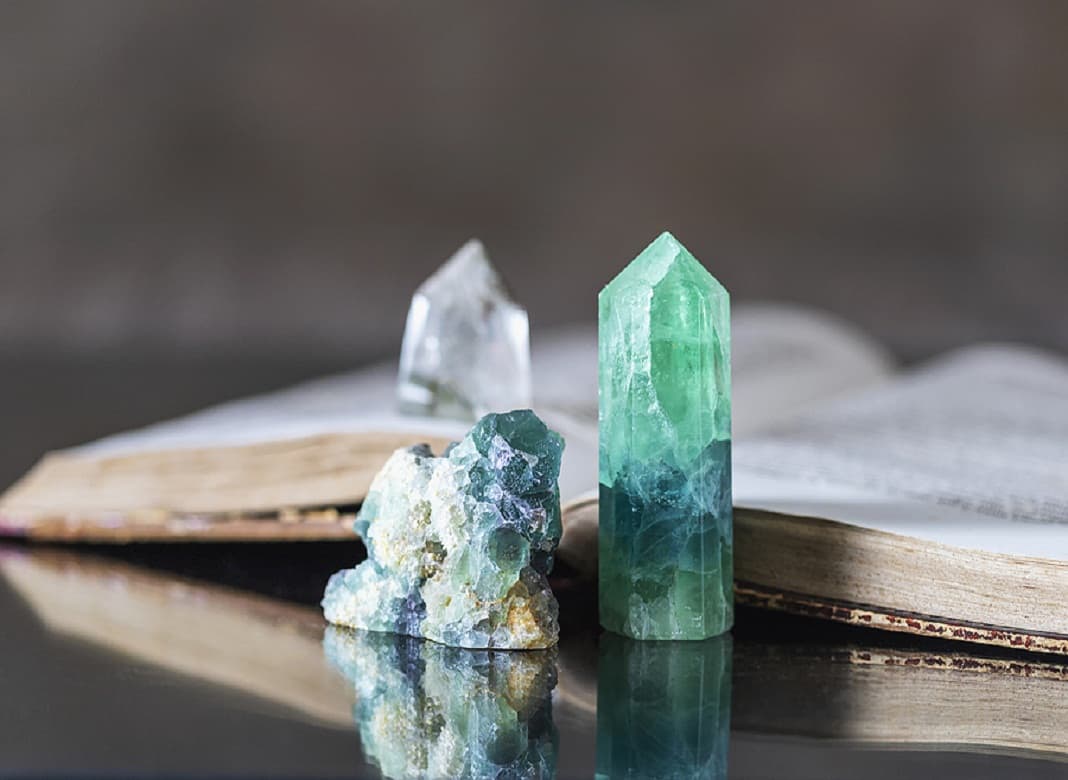
Three Stones for a Grounded Remembrance Practice
Amethyst
Amethyst is often associated with calm and reflection in modern crystal traditions. You might place it beside a photograph or hold it while taking three slow, comfortable breaths and naming one memory you value. The stone does not reduce nightmares, treat insomnia, or counteract anxiety. If sleep problems persist or make daily life difficult, discuss them with a qualified health professional.
Black Onyx
Black onyx can serve as a symbol of steadiness without promising a faster recovery. Hold it while choosing one concrete support action: reply to a trusted friend, eat something simple, take prescribed medication, attend a grief group, or schedule an appointment. Strength in grief can include asking for help and making room for difficult feelings rather than trying to force them away.
Pink Opal
Pink opal’s soft color may feel appropriate for a gentle remembrance ritual. Write one sentence about what you miss and one sentence about the support you need today. Grief is not a test with a required “denial phase,” and a stone cannot heal emotional wounds or restore harmony to a home. Give yourself permission to grieve in your own way while staying connected to people who can support you.
A Ten-Minute Remembrance and Support Ritual
Choose one stone only if it feels comforting. Place it beside a photograph, letter, or other safe keepsake. Take several unforced breaths, name the person you are remembering, and write down one memory. Then identify one person you can contact and one basic need you can meet today, such as food, rest, medication, fresh air, or an appointment.
The American Psychological Association notes that people grieve differently and do not necessarily move through stages in order. Social support, healthy routines, remembrance, and licensed mental-health care can help. The CDC also recommends leaning on trusted people, creating a routine, honoring the person who died, and seeking professional support when needed.
If grief feels overwhelming, persistently disrupts daily life, or brings thoughts of self-harm, contact a licensed professional or crisis service. In the United States, call or text 988; call local emergency services for immediate danger.
A Guardian Angel reflection may be part of prayer or remembrance if it brings comfort. Treat it as spiritual support, not a prediction of how or when you will recover.